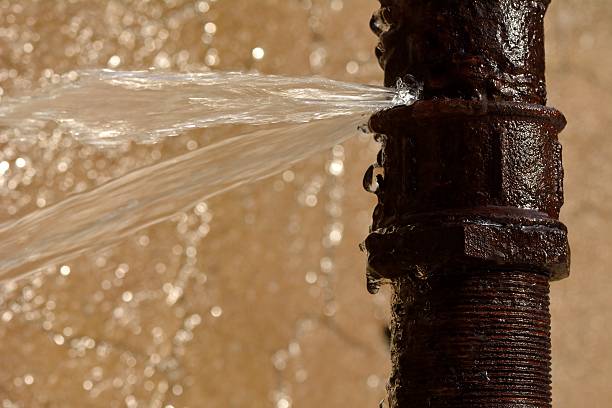
24/7 emergency water response, every day of the yearIndependent licensed & insured pros · Call +1-877-637-9008
24/7 Emergency Dispatch

Nationwide Water Damage Repair, Dispatched Locally

Water on the floor at two in the morning does not wait for business hours, and neither does this line. Call Water Heater Repairer and a live dispatcher routes you to an available, licensed and insured independent contractor based near your property.

  • Licensed & insured independent pros
  • Free referral line, open 24/7
  • Written estimate before work starts
Licensed Water Damage Repair service in USA - Water Heater Repairer
The clock is running. Drywall wicks water upward fast, so the first call you make sets the pace for everything after it.
Who We Are

A Nationwide Referral Line Built Around Local Contractors

Water Heater Repairer is a free dispatch and referral service. We pick up, sort out what kind of water problem you have, and route you to an independent, licensed and insured Water Damage Repair pro working near your address.

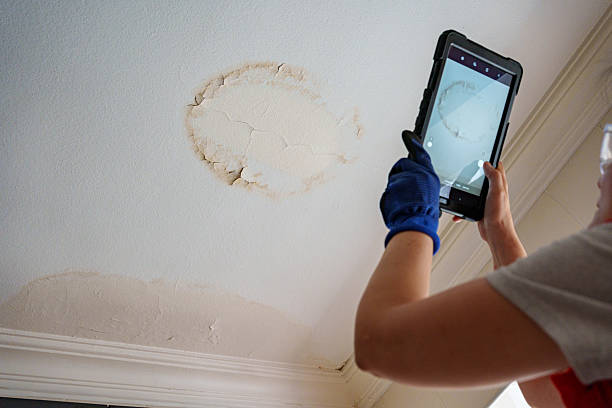
Most people who call us have never dealt with water damage before. They are standing in an inch of water, or staring at a brown ring spreading across a ceiling, and they do not know who to trust. That is the gap this line fills. We are not a restoration company and we do not run restoration crews of any kind. What we do is keep a working list of independent local contractors who handle extraction, structural drying, tear-out and rebuild, and we route each call to someone who is licensed, insured, close by and actually available to take the job right now.

The line is staffed around the clock, including holidays and the weekends when supply lines and sump pumps seem to fail the most. A live dispatcher answers. You will not be asked to leave a voicemail and wait for a callback on Monday. We ask a handful of quick questions so the contractor who calls you back or rolls to your door already knows what they are walking into: where the water came from, how long it has been sitting, how many rooms are wet, whether the ceiling is sagging, and whether the power is still on in the affected area.

How a call gets routed

Once we know the basics, we look at which independent contractors cover your area, which of them handle that type of loss, and who has a crew and equipment free at that moment. A clean-water leak from a dishwasher hose is a different job than a backed-up floor drain, and a single bathroom is a different job than a finished basement with carpet, pad and built-in shelving. Matching the call to the right pro saves you a wasted visit. In most cases you are connected while you are still on the phone, or the contractor calls you directly within a short window to confirm the address and arrival time.

What you should check before work starts

Every contractor we route to is an independent business, so treat the first visit the way you would treat any contractor coming into your home. Ask to see proof of their license where your area requires one and a current certificate of insurance. Ask whether the technicians on site are IICRC-trained; many contractors in the network are, but credentials vary, so it is fair to ask. And get a written estimate or a signed work authorization that spells out the scope before anyone pulls carpet or cuts drywall. A good pro expects these questions and answers them without hesitation.

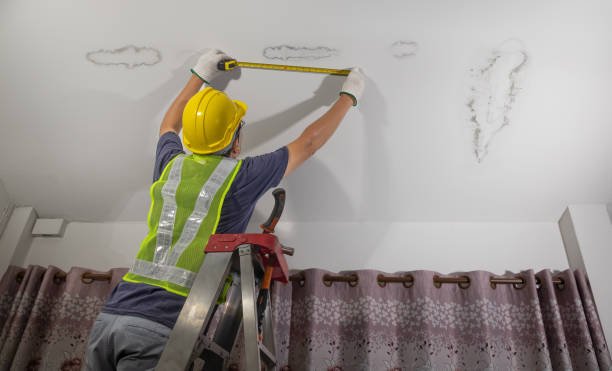
Professional Water Damage Repair technician working in USA
What Gets Handled

Core Water Damage Repair Services

Water damage is not one job. It is a chain of jobs, and the independent contractors we route to handle every link in it, from the first pump-out to the final coat of paint.

Emergency Water Damage Response

The emergency visit is about stopping the damage from getting worse. When the crew arrives, the first move is making the site safe: confirming the water source is shut off, checking whether any outlets or appliances are sitting in water, and deciding whether a ceiling that is bellied out needs to be poked and drained in a controlled way before it comes down on its own. Only after that does extraction start.

Extraction is where most of the water leaves the building. A truck-mounted unit or a portable extractor with a weighted wand pulls water out of carpet and pad far more efficiently than any household shop-vac. On hard surfaces the crew squeegees and extracts. Pulling water out by force at this stage shortens the drying phase by days, because every gallon removed with a wand is a gallon the dehumidifiers never have to pull out of the air.

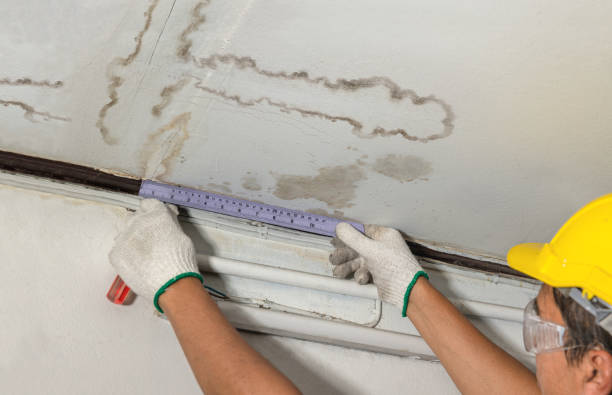
Before anyone leaves, the contractor should map the moisture. A pinless meter scans drywall and subfloor for elevated readings, a pin meter confirms them, and a thermal imaging camera helps spot cold, wet areas behind walls and under cabinets. That map decides where air movers and dehumidifiers go, and it becomes the first entry in the drying log that your insurance adjuster will want to see later.

  • Source confirmation and electrical safety check
  • Truck-mounted or portable extraction
  • Moisture mapping with meters and thermal imaging
  • Equipment set the same night when needed
Residential Water Damage Repair

Homes take on water in predictable ways. A washing machine hose splits. A toilet supply line lets go while the family is away for the weekend. An ice maker line under the fridge drips for weeks before the hardwood starts to cup. A water heater tank finally rusts through in a finished basement. Each of these leaves a different pattern of damage, and an experienced contractor reads that pattern before deciding what to save and what to remove.

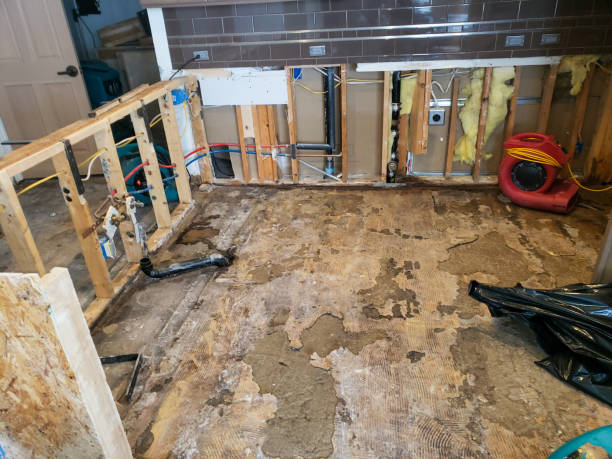
In most homes, the decisions come down to materials. Carpet can often be floated and dried in place if the water was clean and caught quickly, but the pad underneath is usually pulled and replaced. Drywall that has wicked water a few inches up gets a flood cut, a clean horizontal cut a couple of feet off the floor, so the wall cavity can dry and the insulation can come out. Baseboards come off. Toe kicks under cabinets get removed so air can reach the floor beneath. These small moves are what separate a home that dries in three or four days from one that smells musty for months.

Once the structure reads dry against a dry reference point in an unaffected room, the repair side begins: new drywall, tape and texture, paint matched to the existing walls, new pad and re-stretched carpet, replaced baseboard and trim. Some homeowners use the same independent contractor for both drying and rebuild, and some bring in their own remodeler. Either way works as long as the rebuild waits for dry readings.

  • Appliance, supply line and water heater failures
  • Carpet, pad and hardwood moisture decisions
  • Flood cuts, baseboard and toe-kick removal
  • Drywall, paint, trim and flooring rebuild
24/7 Emergency Water Damage Repair experts in USA

Commercial & Multi-Unit Water Damage

Commercial losses and apartment buildings come with a different set of pressures. A sprinkler head knocked off in a warehouse, a roof drain that backs up into a strip-mall suite, or a third-floor tub overflow that soaks two units below all mean more square footage, more people affected, and more parties who need answers. Property managers usually care about two things at once: getting the water out and keeping tenants or customers operating while it happens.

Contractors who handle this work bring more of everything. Multiple large-capacity LGR dehumidifiers, banks of air movers, and sometimes desiccant units or temporary power for larger open spaces. On a multi-unit loss they will typically trace the water path floor by floor, opening ceilings below the source unit and checking adjoining walls with meters rather than assuming the damage stopped at the unit with the leak. Containment with poly sheeting and zipper doors keeps dust and humidity from spreading into occupied areas.

Documentation matters even more here. A building owner, a tenant's renter policy, and sometimes an HOA master policy may all be involved, and each will want photos, moisture readings by room, and an equipment log. When you call, tell the dispatcher it is a commercial or multi-unit property and roughly how many units or square feet are involved, so we route to a contractor with the crew size and equipment to match.

  • Sprinkler, roof drain and overflow losses
  • Unit-by-unit water path tracing
  • Containment to keep tenants operating
  • Large-loss drying equipment and power planning

Specialized Situations: Sewage, Mold and Hard-to-Dry Areas

Some calls need more than standard drying. Sewage backups and floodwater from outside are Category 3 water, which means they carry bacteria and other contaminants. Porous materials touched by that water, such as carpet, pad, drywall and insulation, generally get removed and bagged rather than dried and saved. The crew should arrive with proper PPE, apply an antimicrobial to the structure after removal, and keep the affected area contained from the rest of the house.

Mold is the other common surprise. It is not unusual for a crew to pull a section of drywall for a fresh leak and find old growth from a slow drip that has been running for months. When that happens, the job changes from drying to remediation, which follows a different set of practices, often referenced to the IICRC S520 standard. Expect the contractor to stop, show you what they found, photograph it, and talk through containment and scope before going further.

Hardwood floors and crawlspaces are the third category of tricky work. Solid hardwood can often be saved with a floor drying mat system that pulls moisture up through the boards, but it takes patience and careful readings. Crawlspaces need water pumped out, wet vapor barrier replaced, and dehumidification run under the house, sometimes for longer than the rooms above. These jobs reward a contractor who has done them many times before.

  • Category 3 sewage and outside floodwater
  • Mold discovered during tear-out
  • Hardwood floor drying mat systems
  • Crawlspace pump-out and dehumidification

Insurance Documentation & Rebuild Coordination

Most homeowner policies cover sudden and accidental water damage, such as a pipe that bursts or an appliance hose that splits. They usually do not cover slow leaks that went on for a long time, or flooding from outside unless you carry separate flood coverage. Your adjuster makes that call, not the contractor and not us, but good documentation makes the conversation easier.

Independent contractors who do a lot of insurance work know what adjusters want to see. Date-stamped photos before, during and after extraction. A moisture map with readings for each affected room. Daily drying logs showing temperature, relative humidity and grains per pound inside and outside the work area. An itemized estimate, often built in the same estimating software the insurance carriers use. With that file in hand, the claim tends to move faster and with fewer disputes.

Once the drying phase is signed off, the rebuild begins. Some contractors handle it under the same contract, coordinating drywall, painting, flooring and cabinet repair. Others hand you a dry certificate and the paperwork so your own remodeler can take over. Ask about this up front. You are always free to choose who does the repair work, and a reputable contractor will explain your options without pressure.

  • Photo, moisture and drying log documentation
  • Itemized estimates adjusters can work with
  • Help understanding what is usually covered
  • Rebuild under one contract or handed off

Standing in Water Right Now?

Shut off the main valve if you can, then call. A dispatcher will route you to an independent local pro who is free tonight.

Call +1-877-637-9008
How It Works

From Your First Call to a Dry, Signed-Off Job

The sequence is the same whether it is a single bathroom or a flooded lower level. Here is how a typical call moves from the phone to a finished job.

  1. 1

    Call Dispatch

    You talk to a live dispatcher, not a recording. We ask where the water came from, how long it has been there, which rooms and floors are wet, and whether the source is stopped. Then we route the call to an independent, licensed and insured contractor who covers your area and has a crew free.

  2. 2

    Rapid Mobile Arrival

    The contractor confirms your address and an arrival window by phone. Response is typically quick and often within the hour depending on location and demand. The crew shows up with extraction gear, air movers, dehumidifiers and moisture meters already on the truck.

  3. 3

    Expert Assessment & Quote

    The crew checks safety, maps the moisture with meters and thermal imaging, and explains what can be dried in place and what has to come out. You get a written estimate or a work authorization that spells out scope and pricing before any tear-out starts.

  4. 4

    Resolution & Sign-Off

    Extraction, controlled demolition, drying and daily monitoring follow. When readings match a dry reference area, equipment is pulled, final photos and logs are handed over, and the rebuild is scheduled. You sign off only when the structure is confirmed dry.

What the first 24 to 72 hours look like

On day one, after extraction, the crew sets air movers along the base of wet walls, angled so air sweeps across the surface, and places LGR dehumidifiers to pull the moisture those fans release. The goal is to keep relative humidity inside the drying area low and steady while surfaces give up their water. Expect the equipment to be loud and the room to feel warm; both are signs it is working.

On days two and three, a technician comes back each day to take readings at the same marked points on drywall, framing and subfloor. Those numbers go into the drying log next to the room temperature and humidity. If a wall is not dropping, equipment gets moved or more drywall is opened. Most clean-water jobs in an ordinary home reach dry standard in roughly three to five days, while dense materials, hardwood and crawlspaces can take longer. Leave the equipment running, keep doors and windows closed unless the crew says otherwise, and do not turn the dehumidifiers off at night to save on noise.

Dispatcher tip: Take photos of the water before anything is moved. Adjusters ask for them every time, and you only get one chance to capture the scene as it was.
Why Call Us

Why Homeowners and Property Managers Use This Line

Nobody wants to sort through search results while water drips through the ceiling. This line turns that frantic search into a single phone call.

Upfront Written Pricing

The contractor puts scope and pricing in writing before demolition or drying begins, so there are no surprises on the final invoice.

Fast Response, Day or Night

A live dispatcher answers every hour of every day, and calls are routed to crews that are actually free to roll right away.

Truly Local Dispatch

You get a pro based near your property, not a crew driving hours from a distant shop, which matters for arrival and for daily monitoring visits.

Pros Who Stand Behind the Work

Independent contractors in the network provide their own written warranty on workmanship. Ask for it in writing before the job starts.

Pricing is the first thing most callers worry about, and for good reason. Water damage bills can climb fast when nobody explains what is being done or why. The contractors we route to put the scope in writing before work starts: how many rooms, what gets removed, how much equipment, how many days of monitoring. If the scope changes because the crew finds wet insulation behind a wall or old mold under a vanity, they should stop, show you, and update the estimate before moving on.

Local dispatch matters more than people expect. Drying is not a one-visit job. Someone has to come back every day to take readings, move equipment and decide when the structure is dry. A contractor based twenty minutes away will make those visits on schedule. A crew coming from three hours out tends to skip days, and skipped readings are how jobs drag on for a week longer than they should.

We do not offer a blanket promise about anyone else's work, and you should be wary of anyone who does. What you get instead is a contractor who issues their own written warranty on the work they perform, and a simple fallback: if the pro you were connected with is not a fit, for any reason, call the line back. We will route you to another independent contractor in your area, at no cost to you.

Plain-English Guide

Understanding Your Water Damage Before the Crew Arrives

Contractors and adjusters use a couple of shorthand systems to describe a water loss. Knowing them helps you follow the conversation and ask better questions.

The industry standard most restoration contractors reference is IICRC S500. It sorts water losses two ways. Category describes how dirty the water is, which decides what can be saved. Class describes how much water is in the structure and how hard it will be to evaporate, which decides how much equipment the job needs. A single loss always has one category and one class.

TermWhat It MeansTypical Example
Category 1Clean water from a sanitary source. Most materials can be dried in place if caught early.Burst supply line, ice maker line, overflowing sink
Category 2Gray water with some contamination. Pad is usually removed; surfaces are cleaned and treated.Washing machine or dishwasher discharge, toilet overflow with urine only
Category 3Grossly contaminated water. Porous materials are generally removed and the area is treated.Sewage backup, outside floodwater, toilet overflow with feces
Class 1Small area, low-porosity materials, minimal moisture absorbed.Part of a tile bathroom floor
Class 2A full room or more, with water wicked up to roughly two feet on the walls.Carpeted bedroom from a supply line failure
Class 3Water came from above and saturated walls, ceilings, insulation and carpet.Upstairs tub overflow into the floor below
Class 4Dense, low-permeance materials hold water deeply and need specialty drying.Hardwood, plaster, concrete, stone

What to do in the first hour

Find the main water shut-off and close it. In most homes it sits where the line enters the house: a basement wall, a utility closet, a crawlspace, or a box near the street. If the leak is from a single fixture, the small valve under the sink or behind the toilet may be enough. Next, if water is anywhere near outlets, a power strip or an appliance, switch off the breaker for that area at the panel, but only if you can reach the panel without standing in water.

Then move what you can. Lift furniture onto blocks or foil so the legs do not stain wet carpet. Get rugs, electronics, photos, papers and anything sentimental up and out of the room. Pull curtains up off the floor. Finally, take photos and short videos of every wet area, the source of the leak, and any damaged belongings. Those images are the first page of your claim file.

What not to do

Do not use a household shop-vac on sewage or floodwater. It spreads contaminated aerosol through the house and the vacuum itself becomes a hazard. Do not set box fans in a closed room with no dehumidifier; you will just push humid air into the drywall and ceiling and make the space smell worse by morning. Do not turn the heat way up thinking it will dry things faster. And do not wait until Monday because it feels like a weekend problem. By the time the work week starts, clean water can turn into a mold problem and a simple dry-out can turn into a tear-out.

Reliable Water Damage Repair contractor in USA by Water Heater Repairer
Dispatcher tip: A bulging, water-filled ceiling can let go without warning. Clear the room underneath and let the crew drain it in a controlled way.

Not Sure How Bad It Is?

Describe what you see and we will route you to an independent local contractor who can map the moisture and tell you straight.

Call +1-877-637-9008
Caller Stories

What Callers Say After the Job Is Done

We got home from a wedding to water pouring out of the kitchen light. The upstairs toilet line had burst. The dispatcher talked me through the shut-off, and a nearby crew arrived that night to drain the ceiling and set up drying equipment.

Melissa T.Homeowner, suburban two-storyBurst toilet supply line

I manage a six-unit building and had a tub overflow on the top floor soak two units underneath. The contractor traced the water through every ceiling and wall, kept the tenants informed, and gave me a moisture log I could forward straight to the owner's insurer.

Victor S.Property manager, 6-unit buildingMulti-unit overflow

Our basement floor drain backed up in a heavy storm. I was about to start with a shop-vac when the dispatcher stopped me. The crew showed up suited up, removed the wet carpet and drywall, and walked me through the cleanup step by step.

Andre W.Homeowner, older neighborhoodSewage backup

Our ice maker line had been leaking under the fridge for who knows how long, and the hardwood started cupping. The contractor used drying mats on the floor and came back every day with the meter. We saved most of the original boards, which I honestly did not expect.

Priya N.Homeowner, coastal townHardwood floor drying

A pipe froze and split in the crawlspace of a rental I own, three hours from where I live. I called the line, and a local contractor handled the pump-out, replaced the vapor barrier and sent me photos at each stage. The written estimate matched the final invoice.

Gary L.Landlord, rural rental homeFrozen pipe, crawlspace
Questions

Water Damage Repair Questions We Hear Every Day

How fast can a Water Damage Repair technician arrive in my area?

It depends on where you are and how busy local crews are at that moment. Response is typically quick, and the contractor calls to confirm an actual arrival window before the crew leaves.

Do you provide upfront pricing?

The independent contractor provides a written estimate or work authorization before any tear-out or drying begins. If they find more damage behind a wall, they should stop, show you, and revise the estimate first.

What emergency services are available?

Around the clock, contractors in the network handle water extraction, ceiling drainage, board-up after storm damage, controlled tear-out and structural drying setup. Contractors equipped for Category 3 water also take sewage backups and flooded crawlspaces.

Is Water Heater Repairer the company that does the work?

No. Water Heater Repairer is a free referral service that answers your call and connects you with an independent, licensed and insured local contractor. The contractor you are connected with writes the estimate, does the job and provides any workmanship warranty directly.

Will my homeowners insurance cover water damage?

Sudden events such as a split supply line are commonly covered; gradual leaks and floodwater from outside usually are not unless you carry flood coverage. Coverage is decided by your adjuster, but solid photos and daily drying logs from the contractor make the claim much easier.

How soon can mold start growing after a leak?

Mold can begin to grow on wet drywall, wood and carpet backing within roughly 24 to 48 hours in warm, humid conditions. Getting water out and humidity down quickly is the best way to stay ahead of it.

How long does it take to dry out a house?

A typical clean-water loss usually dries out in three to five days with proper equipment. Hardwood, plaster, concrete and crawlspaces can take longer, and the contractor's daily readings show when the structure is truly dry.

Is it safe to stay in my home during water damage repair?

With a clean-water leak and working power, most families stay home while the drying equipment runs. Sewage, ceiling damage, electrical risk or visible mold can change that, and the crew will tell you if leaving for a few days makes sense.

Does it cost anything to call the dispatch line?

The referral itself is always free to you. You only pay the independent contractor for work you approve in writing.

Service Coverage

Water Damage Repair Coverage Across the Country

Because the network is made of independent local contractors, coverage reaches wherever they live and work, from crowded downtowns to quiet back roads.

Large Metro Areas

High-rise condos, row houses and older downtown buildings with shared walls and stacked plumbing. Contractors here are used to working with building management, elevators and tight parking.

Suburbs

Finished basements, slab-on-grade homes and two-story houses where an upstairs bathroom leak drops into the kitchen ceiling. These are the bread-and-butter jobs for many crews in the network.

Small Towns

Older homes with plaster walls, original hardwood and aging galvanized pipes. Local contractors often know the housing stock house by house and what usually fails first.

Rural Routes

Farmhouses, well systems, crawlspaces and freeze-prone outbuildings far from the nearest town. We route to the closest contractor willing to make the drive and come back for daily readings.

Coverage is strongest wherever there are more independent contractors, which usually means larger metro areas and the suburbs around them. Smaller towns and rural areas are covered too, though arrival times can stretch a bit when the nearest crew is further out. When you call, the dispatcher will tell you honestly what to expect for your address rather than promising something the local contractors cannot deliver.

Weather drives a lot of the call volume. Freeze-prone northern areas see waves of burst pipes during cold snaps. Coastal towns and low-lying neighborhoods see storm surge and wind-driven rain. Hot, humid areas see more mold problems because wet materials stay wet longer. During those spikes, local crews can get stretched thin, so calling early, before the line at every contractor's phone gets long, makes a real difference.

Wherever you are in USA, the steps on your end are the same: stop the water, stay safe, take photos, and call. We will handle the part where you would otherwise be searching for a trustworthy contractor while your floors soak.

Affordable Water Damage Repair solutions in USA

Our Services in USA

Call +1-877-637-9008
🟢 Techs On Duty in USA Call +1-877-637-9008